
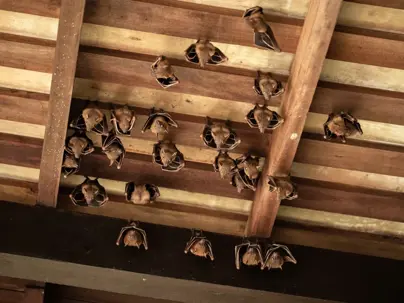
In Arizona, the same desert heat that bakes your roof can turn your attic into prime bat real estate. Once bats discover a quiet, protected space above your ceiling, they often return season after season. Spotting the warning signs early can make a significant difference in how easily the situation can be addressed, especially since Arizona has specific regulations governing when bat exclusion can take place.
Bats play an important role in the environment by helping control insect populations, but they don't belong inside homes. Knowing what to watch for can help you determine whether those unusual sounds or odors are coming from a bat colony overhead.
Why Arizona Homes Attract Bats
Arizona is home to dozens of bat species, and many thrive in urban and suburban environments throughout the Phoenix area.
Attics provide many of the conditions bats prefer:
- Warm temperatures
- Protection from predators
- Minimal disturbance
- Elevated roosting locations
Even small construction gaps can provide access. Bats can squeeze through openings as small as 3/8 of an inch, allowing them to enter through rooflines, vents, soffits, and other overlooked areas.
Once a colony establishes a roost, bats often return to the same location repeatedly, making early detection especially important.
1. Noises Coming From the Attic After Dark
One of the earliest signs of bat activity is sound.
Unlike rodents, bats tend to be most active around dusk and dawn when they're leaving or returning to their roosts. Homeowners may hear:
- Light scratching
- Rustling noises
- High-pitched chirping
- Soft fluttering sounds
These noises are often concentrated near exterior walls, rooflines, or upper-story ceilings.
Because bat sounds are usually lighter and less constant than rodent activity, they can be easy to dismiss at first.
2. Small Piles of Droppings in the Attic
Bat guano is one of the most reliable signs of an active colony.
Unlike rodent droppings that may be scattered throughout an area, bat droppings often accumulate beneath roosting locations or near entry points.
Homeowners may notice:
- Small dark pellets
- Piles forming beneath rafters
- Droppings near attic vents
- Accumulations around soffits or roof penetrations
Over time, guano buildup can become substantial, particularly when colonies remain undetected for months or years.
3. A Strong Musty or Ammonia-Like Odor
As droppings and urine accumulate, odor often becomes more noticeable.
Many homeowners describe the smell as:
- Ammonia-like
- Musty
- Similar to a barn or animal enclosure
The odor may seem strongest:
- Near attic access points
- In upstairs rooms
- Around ceiling fixtures
- Beneath roof overhangs
A noticeable smell indoors often indicates that the colony has been present for some time.
4. Dark Stains Around Roof Openings
Bats leave behind more than droppings.
As they repeatedly enter and exit through the same opening, oils and dirt from their fur can create visible staining around access points.
These stains often appear around:
- Soffit gaps
- Roof vents
- Fascia boards
- Roof-to-wall intersections
Dark streaks or discoloration near these areas can help identify where bats are entering the structure.
5. Seeing Bats Around Your Home at Dusk
Sometimes the most obvious sign is visible activity outside.
Shortly after sunset, bats leave their roosts to feed. Watching your roofline during the evening may reveal:
- Bats emerging from small openings
- Multiple bats exiting the same location
- Repeated flight paths near the home
Consistent activity around one section of the roof often points to an active roost inside.
Two Signs Homeowners Often Overlook
Not every indicator comes from the attic itself.
Bat Bugs Appearing Indoors
Bat bugs closely resemble bed bugs and may begin appearing inside living spaces when colonies become established overhead.
Homeowners sometimes notice:
- Small reddish-brown insects
- Unexplained bites
- Bugs appearing near walls or windows
When bats are present, treating the insects alone won't solve the underlying problem.
Bats Appearing Inside Living Areas
During periods of extreme heat, bats may occasionally move beyond the attic and into occupied areas of the home.
A bat found inside a bedroom or living area should be taken seriously. In situations involving direct human contact or a bat discovered in a room where people were sleeping, homeowners should consult healthcare professionals regarding possible rabies exposure concerns.
Why Timing Matters in Arizona
Arizona's bat populations are protected, and state regulations influence when exclusion work can occur.
Maternity season generally runs from spring through early fall. During this period, young bats may not yet be capable of flight. Because of this, exclusion methods must be carefully timed to avoid separating mothers from their pups.
For homeowners, this means identifying a problem early can provide more flexibility when planning humane removal and exclusion services.
What Not to Do If You Suspect Bats
When homeowners discover potential bat activity, their first instinct is often to seal openings immediately.
Unfortunately, that can create bigger problems.
Avoid:
- Sealing entry points yourself
- Using traps or poisons
- Disturbing large amounts of guano
- Spending extended periods in contaminated attics
Improper DIY attempts can trap animals inside the structure and make future removal more complicated.
When to Schedule a Professional Inspection
Not every attic noise is caused by bats.
A professional inspection helps determine:
- Whether bats are present
- How they're entering the home
- Whether a colony is established
- What exclusion options are available
An inspection can also identify conditions that may attract future wildlife activity, allowing homeowners to address vulnerabilities before they become larger problems.
Humane Bat Removal Starts With Proper Identification
The sooner bat activity is confirmed, the more options homeowners typically have.
Bat removal often involves identifying active entry points, monitoring activity patterns, and planning exclusion work at the appropriate time of year. Once the bats have safely exited, those access points can be sealed to help prevent future colonies from moving in.
If you've noticed unusual attic noises, droppings, strong odors, or evening bat activity around your roofline, professional guidance can help clarify what's happening.
ecoPest Wildlife Management provides bat removal, wildlife removal, attic inspections, and exclusion services throughout the area.
To schedule an inspection or discuss potential bat activity in your home, call (602) 813-7157 or send us a message online.