
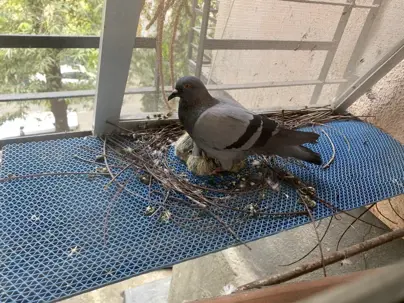
Pigeons do not land on rooftops by accident. What may look like a random flock gathering on a roof, solar panel array, or balcony is usually a response to something the property is offering. Food, water, shelter, and familiarity all play a role in where pigeons choose to spend their time.
In Arizona, pigeons have adapted remarkably well to residential neighborhoods and commercial areas. Once they identify a location that meets their basic needs, they often return repeatedly, and over time, a few birds can become a much larger problem.
Understanding what attracts pigeons is the first step toward making your property less appealing to them.
Pigeons Are Looking for More Than a Place to Land
Many homeowners assume pigeons simply happen to gather wherever they find an open roof.
In reality, pigeons are constantly evaluating their surroundings.
Modern homes and buildings often provide everything they need:
- Elevated resting spots
- Nearby food sources
- Reliable water access
- Areas protected from predators
- Convenient nesting locations
Because pigeons are creatures of habit, they tend to return to locations where they've previously found success. Once a property becomes part of their routine, discouraging them becomes much more difficult.
Easy Access to Food Keeps Pigeons Coming Back
Food is one of the biggest reasons pigeons repeatedly visit certain properties.
While pigeons naturally feed on seeds and grains, they are highly adaptable and readily take advantage of human food sources.
Common attractants include:
- Open trash containers
- Overflowing dumpsters
- Outdoor pet food
- Bird feeders
- Fallen fruit
- Food scraps left near patios or outdoor dining areas
Even occasional access to food can encourage pigeons to revisit the same property daily.
In many neighborhoods, homeowners may not even realize the source is coming from a nearby yard, community area, or neighboring property.
Water Is Especially Valuable in Arizona
In a desert climate, water can be just as attractive as food.
Pigeons need regular access to water for drinking and bathing, which makes many residential properties surprisingly appealing.
Common water sources include:
- Bird baths
- Decorative fountains
- Leaking irrigation systems
- Dripping outdoor faucets
- Standing water after storms
- HVAC condensation
When food, shelter, and water exist in the same area, pigeons have little incentive to leave.
Roof Design Can Create Ideal Nesting Opportunities
Not every property attracts pigeons equally.
Certain architectural features provide ideal conditions for nesting and roosting.
Pigeons are naturally drawn to:
- Roof ledges
- Deep overhangs
- Covered balconies
- Utility structures
- HVAC equipment
- Gutters and roof valleys
Many Arizona homes unintentionally mimic the cliff ledges pigeons naturally prefer in the wild.
Once birds begin nesting, they often remain nearby throughout the year.
Why Solar Panels Attract Pigeons
One of the most common pigeon issues homeowners face today involves solar panels.
The space beneath rooftop solar arrays offers several advantages:
- Shade from direct sunlight
- Protection from predators
- Shelter from weather
- A quiet nesting location
To a pigeon, the gap beneath solar panels provides an ideal place to roost and raise young.
Over time, nesting materials and droppings can accumulate beneath the panels, creating sanitation concerns and making cleanup more difficult.
Droppings Can Attract More Pigeons
Many homeowners focus on the birds themselves and overlook what they're leaving behind.
Pigeon droppings can actually contribute to ongoing activity.
As droppings accumulate, they help signal to other pigeons that the location has been used safely before. This helps explain why a property that has hosted pigeons for months often continues attracting new birds.
The longer droppings remain in place, the harder it can become to break the cycle.
That's why cleanup is often an important part of long-term pigeon management.
Why DIY Deterrents Often Fall Short
Plastic owls, reflective tape, fake snakes, and similar deterrents are popular because they're easy to install.
Unfortunately, pigeons tend to adapt quickly.
Many homeowners notice temporary results, only to see the birds return a few days or weeks later.
The reason is simple: the underlying attraction remains.
If food, water, and nesting opportunities still exist, pigeons often relocate to another section of the same property rather than leave entirely.
Successful pigeon control usually requires identifying what attracted them in the first place and addressing those conditions directly.
How to Make Your Property Less Attractive to Pigeons
Reducing pigeon activity often starts with limiting the resources they rely on.
Helpful steps may include:
- Securing trash containers
- Removing outdoor food sources
- Cleaning up fallen fruit
- Addressing water leaks
- Maintaining rooflines and ledges
- Limiting access to nesting areas
Properties with solar panels may also benefit from bird-proofing measures that prevent pigeons from accessing the space underneath.
Small changes can make a significant difference when combined with professional exclusion strategies.
When Professional Bird Control Makes Sense
If pigeons continue returning despite your efforts, there is usually a reason.
A professional inspection can help identify:
- Active nesting locations
- Hidden attractants
- Structural features encouraging activity
- Areas where exclusion may be needed
The sooner these issues are identified, the easier it is to prevent a small pigeon problem from becoming a long-term nuisance.
Understanding Why Pigeons Choose Your Property
Pigeons are not randomly selecting homes and buildings. They're responding to the food, water, shelter, and nesting opportunities available to them.
Once those factors are identified, it's often possible to reduce activity and discourage future nesting.
If pigeons are gathering around your roof, solar panels, or outdoor living spaces, ecoPest Wildlife Management provides bird removal, pigeon control, wildlife removal, and exclusion services.
Not sure if wildlife has moved into your home? A professional inspection can help identify the problem and the best path forward. Call (602) 813-7157 or book a visit online.