
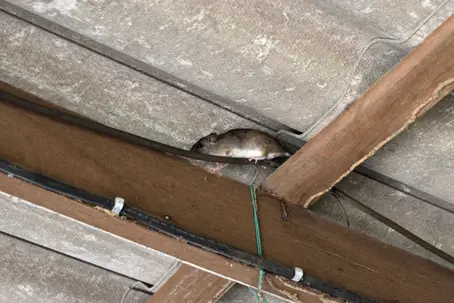
Finding out that something is scurrying around in your attic can be a stressful experience for any homeowner. Whether it is the sound of tiny feet at 2:00 AM or a strange smell coming from the vents, the instinct is usually to get rid of the visitor as fast as possible. Most people immediately think of setting traps to solve the problem quickly. However, looking at the situation through the lens of biology shows that traps are often just a temporary band-aid on a much larger issue.
Understanding the Vacuum Effect in Wildlife Biology
When you trap and remove an animal from your attic without fixing the house itself, you create what biologists call a "vacuum effect." Your attic is prime real estate because it offers warmth, safety from predators, and a dry place to sleep. If one raccoon or roof rat is removed, the scent and the entry point remain behind, signaling to other local wildlife that a "vacancy" has opened up.
Simply removing the current tenant does not change the fact that your home is still sending out an invitation to the rest of the neighborhood. New animals will often move in within days or weeks of a trap being cleared. To stop this cycle, the focus must shift from the animal to the structure of the building.
The Physical Mechanics of Attic Exclusion
Exclusion is the scientific term for physically blocking animals from entering a space. Instead of focusing on the animal, this method focuses on the "envelope" of your home. By identifying every possible gap, vent, or crack that a creature could fit through, you can turn your house into a fortress. It is a more proactive way to handle wildlife because it deals with the root cause of the infestation.
This process involves a detailed inspection of the roofline, eaves, and foundation. Many homeowners are surprised to learn that a roof rat can squeeze through a hole the size of a quarter, or that a squirrel can chew through soft wood in a matter of minutes. Using professional-grade materials to seal these spots ensures that even if an animal tries to get back in, they find a solid barrier instead of an open door.
A proper exclusion strategy usually involves several specialized steps:
- Identifying high-traffic areas where animals currently enter or exit.
- Installing one-way doors that allow animals to leave the attic but prevent them from re-entering.
- Sealing secondary "backup" entry points that an animal might try to use once the main door is closed.
- Using heavy-gauge wire mesh or metal flashing that wildlife cannot chew through or pull apart.
Why Trap-Free Eviction is Better for Your Home
Traditional trapping can be messy and, in many cases, inhumane. It often results in animals being stressed or injured, and it can even lead to mother animals being separated from their young who are hidden deep in the insulation. Trap-free eviction uses the animal's natural biology against it. By using one-way devices, the animal goes out to find food as it normally would, but it simply cannot get back inside when it returns.
This method is much quieter and less invasive for the family living below. You aren't checking traps every morning or dealing with the stress of a captured animal. Instead, the wildlife moves on to a more natural habitat on its own terms. This approach respects the local ecosystem while ensuring your home stays a private, protected sanctuary for your family and pets.
There are several long-term benefits to choosing an eviction and sealing approach:
- It eliminates the need for repeated service calls to reset or empty traps.
- It reduces the risk of an animal dying in an unreachable part of the attic.
- Professional sealing protects the health and comfort of your home by keeping out droppings and allergens.
- It provides a much higher success rate for long-term wildlife management compared to seasonal trapping.
Protecting Your Property with Scientific Methods
At ecoPest Wildlife Management, we believe in a "biology-first" approach to wildlife management. Our team includes licensed biologists who understand how Arizona animals think and move. We don't just want to solve your problem for today; we want to make sure your home is defended for the future. By focusing on high-quality exclusion and humane relocation, we provide a smart alternative to traditional extermination.
If you have heard noises in your walls or noticed damage around your roofline, it is time to look beyond the trap. Let a team of experts show you how scientific sealing can provide the peace of mind you have been looking for.
If you suspect wildlife has made a home in your attic, don’t wait for the damage to spread. Contact ecoPest Wildlife Management today to schedule a professional evaluation and learn how our expert sealing services can protect your home. Click here to book your inspection online or call us at (602) 813-7157 to speak with our team!